Research Overview
Our lab is interested in understanding the everyday forms of intelligence that make humans so smart. Despite recent advances, human intelligence still vastly out performs the abilities of our most intelligent machines such as robots, driverless cars, and virtual assistants. We want to understand why that gap exists and how to narrow it. However, what does it mean to "understand" something like intelligence?
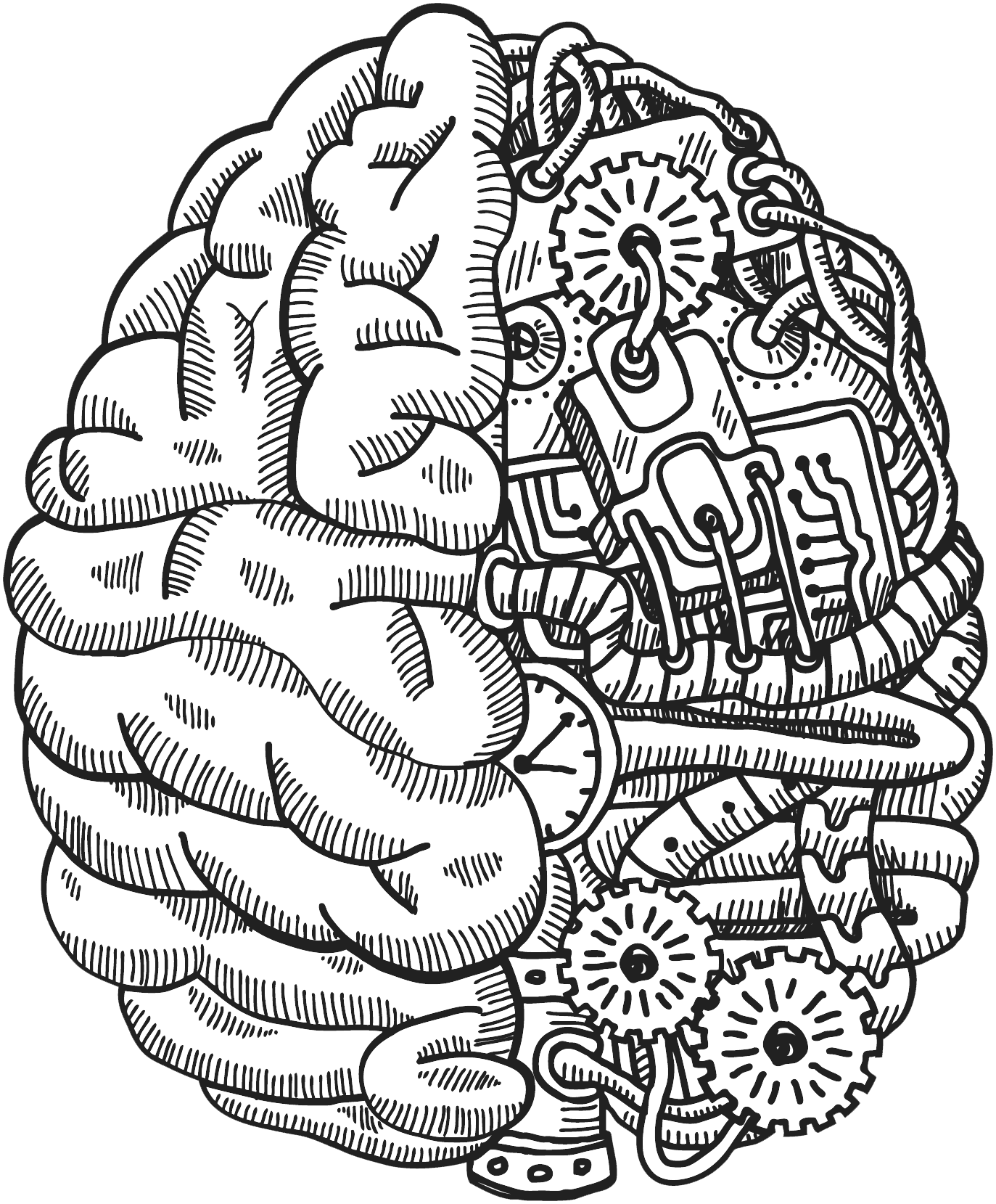
We think the best standard for understanding is building a system with this property—to engineer it—while also respecting core explanatory principles. Thus, our lab aims to understand biological intelligence (e.g., humans, animals) by building model systems that exhibit the types of agile intelligence we possess. Fundamentally human intelligence is about manipulating information in our minds. One compelling way to reverse-engineer intelligence is to build computer models or simulations that try to match the behaviors of humans.
This is why our lab is called "Computation and Cognition Lab." We try to reverse engineer the computational processes and representations that underlie human cognition and intelligence.
This field (computational cognitive science) is exciting and requires a particular type of scientist. It often appeals to those who like to synthesize ideas from many different areas of science (e.g., psychology, machine learning, artificial intelligence, computer science, mathematics, philosophy, and neuroscience).
In our actual research projects, we try to unpack these bigger questions into manageable pieces. A typical research strategy focuses on a particular behavior that we can characterize well with human behavioral experiments (e.g., how people learn and make decisions or how they ask questions). We then try to build a computer model that recreates that ability. We frequently focus on human behaviors that are challenging for current machine learning systems because this is where the real action is—how can we extend computational approaches to intelligence to encompass these abilities as well?
Our lab has several broad research themes:
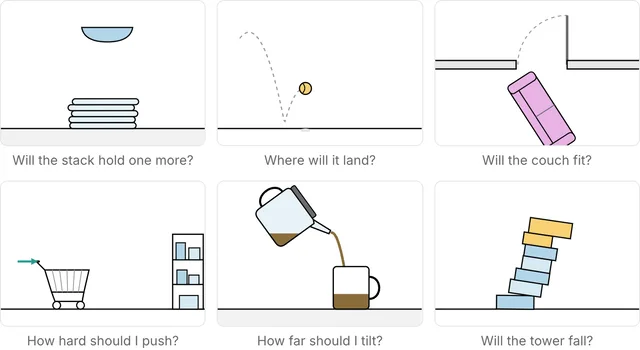
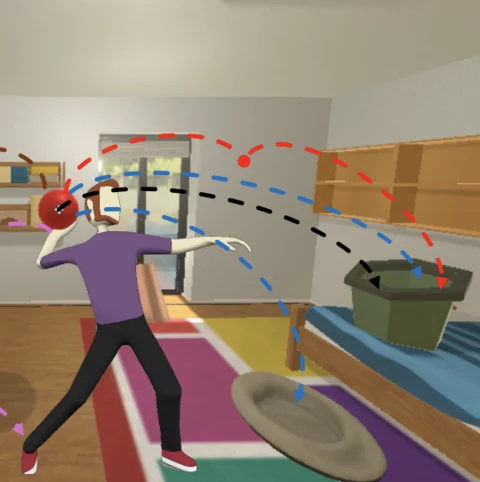
- Theme 1: Physical ReasoningThe representations and processes people use to predict and reason about how objects move and interact.
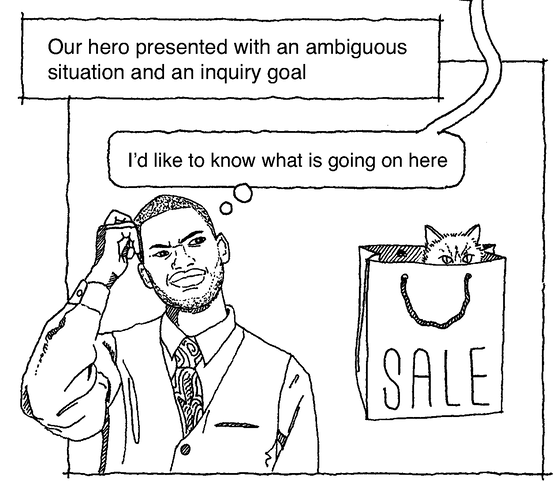
- Theme 2: Self-Directed, Active Learning, and Computational CuriosityHow people learn by choosing what to explore, which questions to ask, and which information to gather.
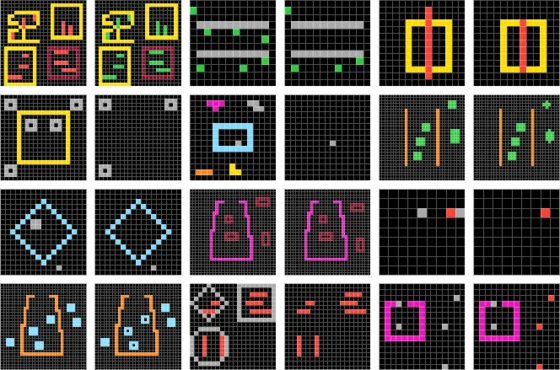
- Theme 3: Abstract Reasoning and Problem SolvingThe idea that some mental representations work like small computer programs, and how people infer programs from examples.
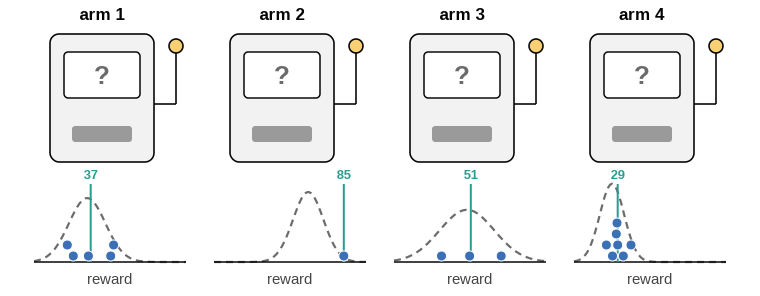
- Theme 4: Human Reinforcement LearningHow people learn from rewards: learning efficiently, using language and self-generated goals, and getting stuck in learning traps.
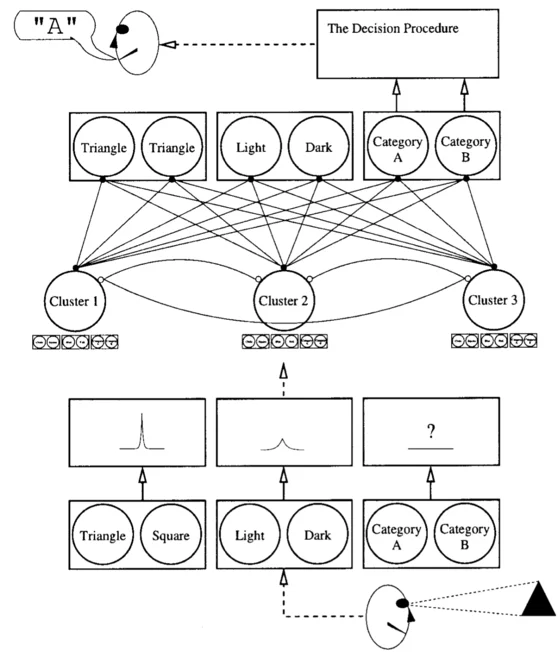
- Theme 5: Categories and ConceptsHow people learn categories and concepts, with and without labels, and how what we perceive and what we know shape each other.
- Theme 6: Open Source Software for Cognitive ScienceThe tools we build and share for running behavioral experiments online, including psiTurk and Smile.

To give a better sense or our lab, we generated some visualizations to view our research patterns in aggregate.
Our topics #
To get a better sense of the range of interests in the lab, here are our papers since 2002. The first view shows how the topics have changed over the years. The second shows how they combine: most projects bring several topics together, and topics that appear on the same papers are linked.
Each row is a keyword, and each square is one year, shaded by how many papers that year have the keyword. Hover over a square to see the papers.
Who we work with #
Science in our lab is highly collaborative. Here is the network of co-authors of our papers. It shows everyone who has written a paper with Todd and who else their work was published with. The current lab members are on the people page.
Sample Projects #
Several of our projects have their own websites, with interactive demos, data viewers, or longer introductions to the scientific questions behind them:
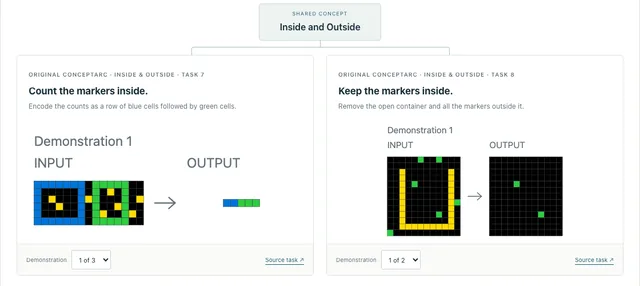
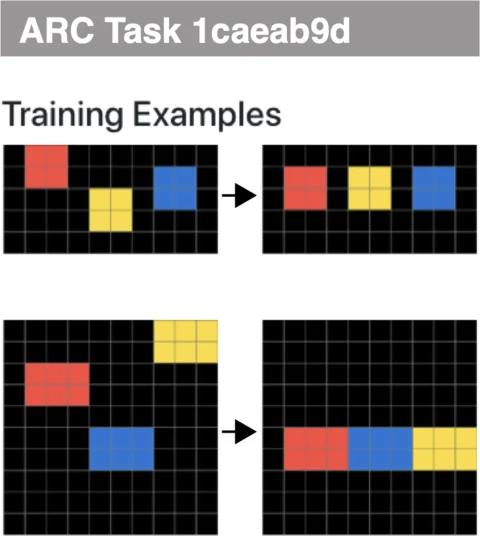
- ConceptARC at ScaleA dataset of 1,600 ARC-style tasks, 100 for each of 16 concepts such as inside and outside, built to test whether reasoning models understand a concept across different tasks or only solve each task alone. The site walks through example tasks, the findings, and the dataset. (paper)
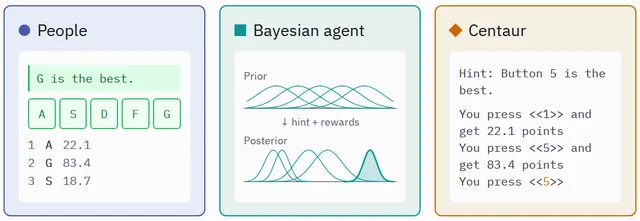
- Instructed Bandit TaskHow instructions given in language change what people and machines learn from experience. The site explains the task types and their reward functions, lets you play the game and watch the model play it, and shows the results. (paper)
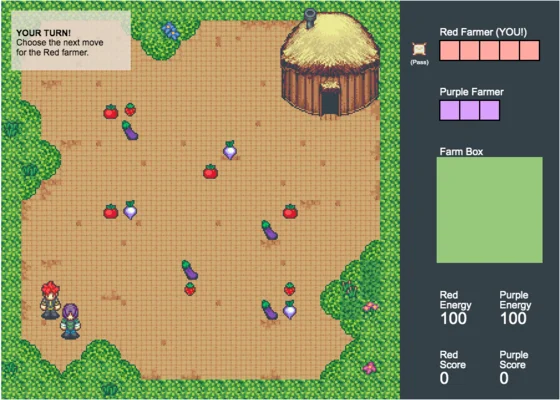
- Helping gameA two-player farm game in which participants decide when and how to help each other, built to study altruistic helping: when people choose to help someone else at a cost to themselves. You can play the game or watch replays of any of the 314 two-person sessions in the dataset. (paper)
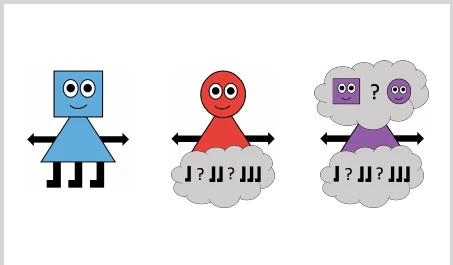
- Question asking in childrenA walkthrough of each condition of an experiment on how 5- to 10-year-olds and adults reuse and remix earlier questions to form new ones. (paper)
- Optimizing Memory using Neural Information (OMNI)Predicting from brain activity which things people will remember, and using that to design better ways to teach.
Keywords #
The following set of keywords has been applied to our past papers. Click one to see a selection of papers on this topic.
Getting involved #
Chances are if you are reading this you are interested in joining the lab or getting involved in our research efforts. We've put together a handy guide with information about how to get involved.